


The History of Saluda and the Railroad
The Railroad That Helped Create Saluda, North Carolina
The history of Saluda, North Carolina is closely connected to the railroad and the remarkable challenge of building a rail line across the Blue Ridge Mountains.
Long before Saluda became a town, the area was known as Pace's Gap. The arrival of the railroad transformed this mountain community, bringing new opportunities for transportation, tourism, and growth. The construction of the Saluda Grade would ultimately create one of the most significant chapters in railroad history in Western North Carolina.
Today, the historic Saluda Depot stands as a reminder of the railroad's lasting influence on the community and the people who helped shape Saluda.
The Need for a Route Across the Mountains
The idea of building a transportation route across the mountains can be traced back as early as 1832.
At the time, there was a growing demand to move goods, livestock, and people from the hot thermal belt regions of South Carolina and Georgia into the developing settlements farther west.
Early travelers followed a route that crossed the rolling foothills of the Piedmont before climbing the steep slopes of the Blue Ridge Mountains. When railroad surveys later began, it became apparent that this established route used by early settlers offered an important path into the mountains.
However, finding a practical railroad route across the Blue Ridge would prove to be a significant engineering challenge.
It was not until 1877 that Capt. Charles Pearson, a former Confederate Army officer, was assigned as chief engineer for the Asheville and Spartanburg Railroad.
Pearson's goal was ambitious: to bring the railroad line across the Blue Ridge Mountains from Tryon to Asheville.
Early surveys revealed a difficult problem. There appeared to be no route that would allow trains to ascend the mountains at what was considered a reasonable grade.
Pearson rejected the route along Howard's Gap, an old trading path, because of concerns about unstable ground and underground springs.
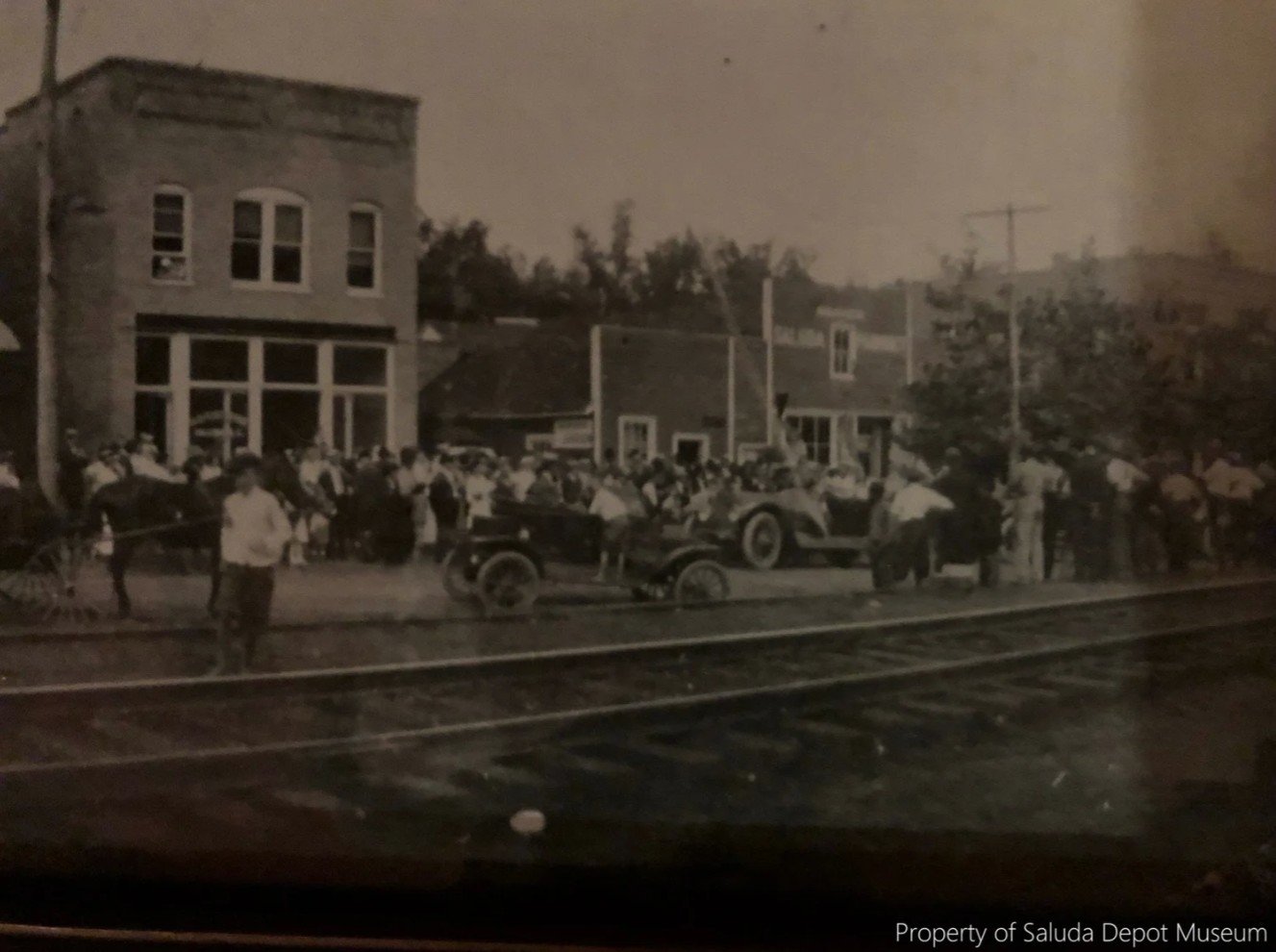
Planning a Railroad Across the Blue Ridge Mountains
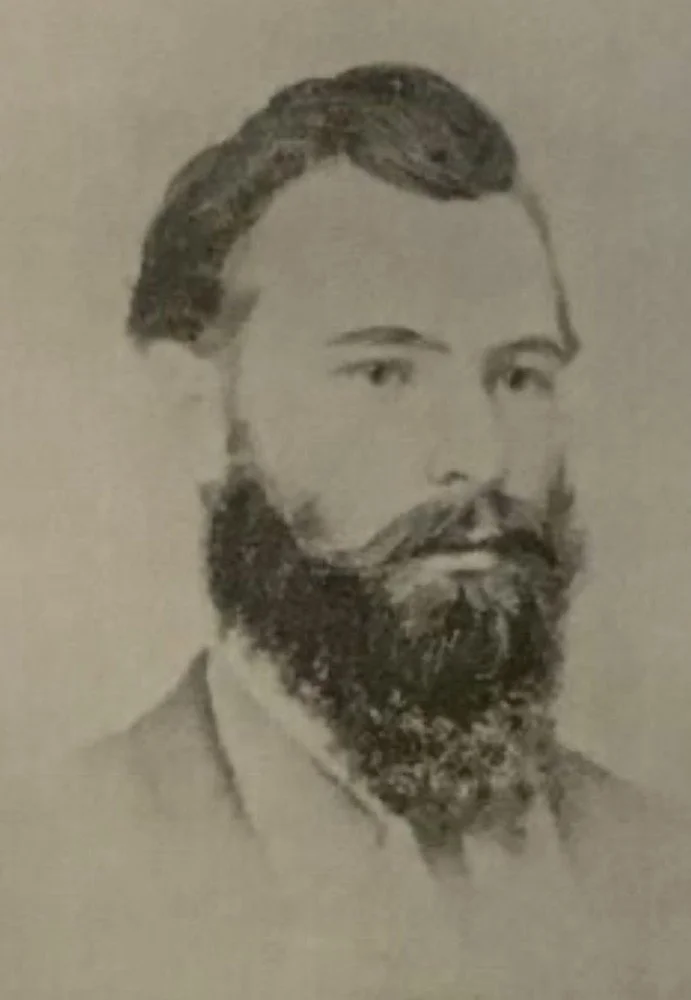
Capt. Charles Pearson
Instead, he selected a route that followed the Pacolet River through a steep gorge. The route began near the bottom of Melrose Mountain at approximately 1,081 feet and climbed to the town of Saluda, cresting at an elevation of approximately 2,097 feet.
The decision would lead to the creation of the Saluda Grade and one of the most challenging railroad routes in the United States.
The Railroad Reaches Pace's Gap
On July 4, 1878, the first passenger train of the Asheville and Spartanburg Railroad traveled up the Saluda Grade.
The arrival of the railroad marked a turning point for Pace's Gap.
What had once been a small mountain community was now connected to a growing railroad network. The railroad brought new opportunities and helped transform the area into a destination for travelers, visitors, and summer residents.
The construction and operation of the railroad would become central to the identity and future growth of Saluda.

Completing the Saluda Grade
Building the railroad through the mountains required tremendous labor and came at a significant human cost.
By 1879, financial resources and available manual labor had become depleted. In response, the North Carolina legislature ratified a bill providing financial support and allowing convicts to work on the construction of the railroad line.
The work was dangerous. Workers, both free and incarcerated, faced sickness and accidents, resulting in a high death rate.
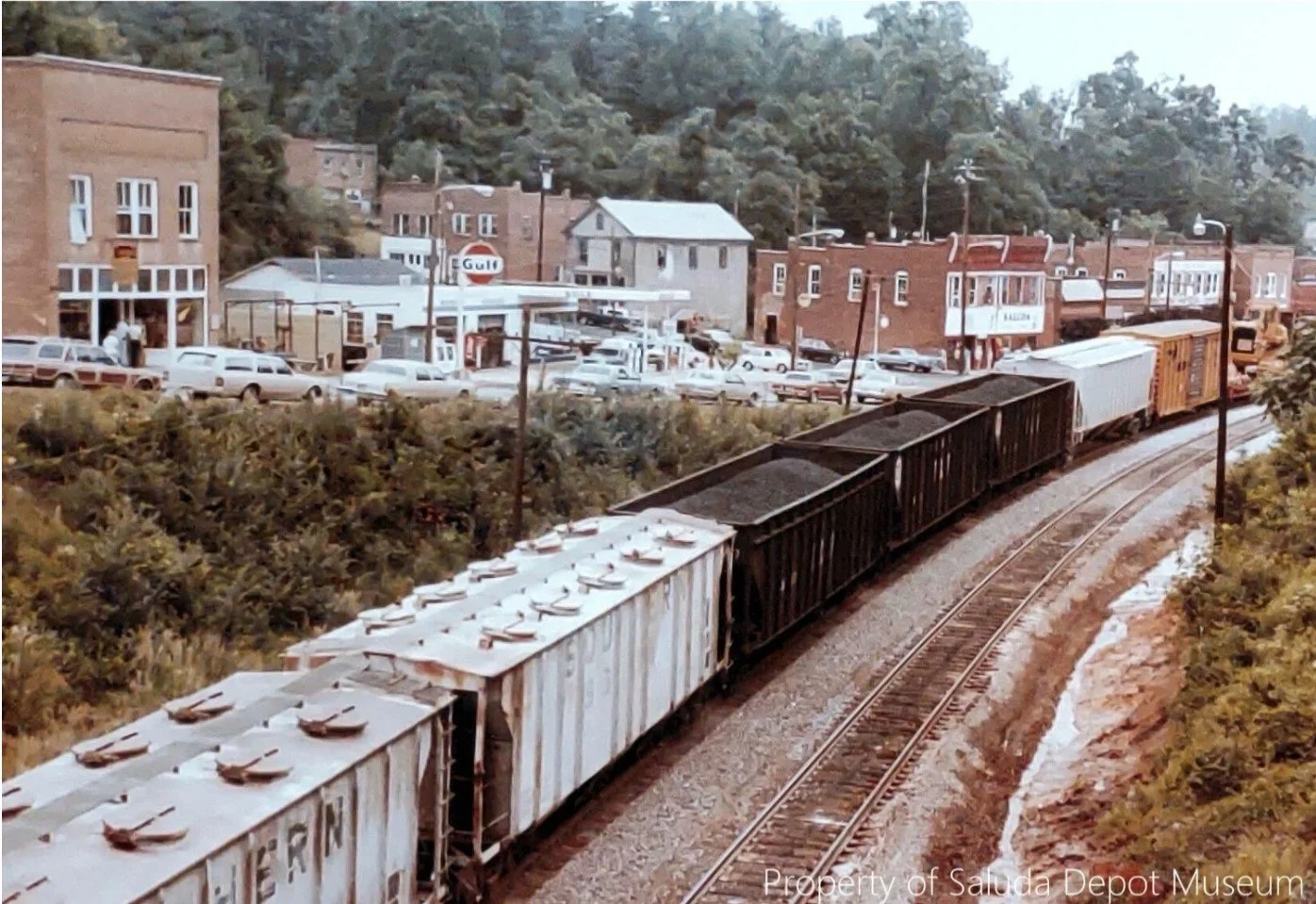

Despite these hardships, the tracks reached the top of the grade just three months after the convicts began work on the project.
The completion of the route resulted in what the original historical account describes as the steepest mainline standard-gauge railroad in the United States.
The Saluda Grade would become one of the most famous and challenging sections of railroad in American history.
Pace's Gap Becomes the Town of Saluda
The arrival of the railroad brought growth and prosperity to Pace's Gap.
By February 1881, the community had grown enough to be officially chartered as the town of Saluda.
The town was named for Saluda Mountain, although the name actually refers to a group of mountains rather than a single mountain. At the foot of the mountains lies the Saluda River.
According to local tradition, the Saluda River was named for an Indian chief whose name meant "corn river" in Cherokee. The name reportedly sounded like "Saluda" to early white settlers.
Spread across seven hills, Saluda sits at an elevation ranging from approximately 2,096 to 2,200 feet.
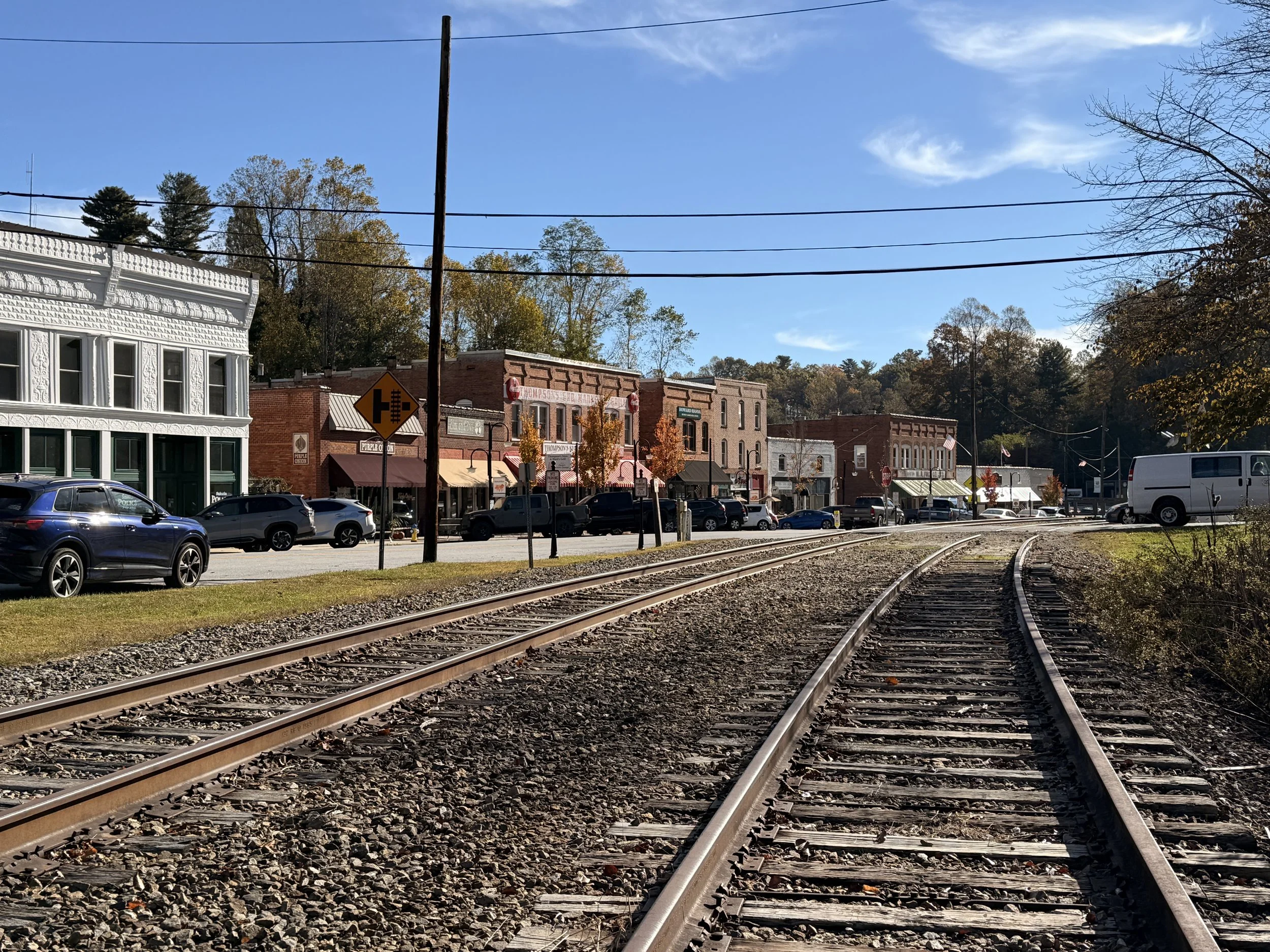
The railroad had helped transform Pace's Gap into the town of Saluda, creating a community whose history would remain deeply connected to the railroad for generations.
The Railroad and the Growth of Saluda
In the late nineteenth and early twentieth centuries, Saluda's railroad connection played an important role in the town's development.
The railroad transported visitors, tourists, and the many summer residents who came to the mountains.
For a community whose growth and identity were closely tied to the railroad, the depot became one of the most important buildings in town.
The railroad connected Saluda to surrounding communities and helped establish the town as a destination in the mountains of Western North Carolina.
Historical Sources and Acknowledgments
The original history was compiled with contributions and information from:
The Historic Saluda Committee
100 Years, Saluda, NC
Citizens of Saluda
The National Register of Historic Places
We are grateful to the individuals, organizations, historians, and citizens who have helped preserve and share the history of Saluda and its railroad heritage.